Expertise
Downsizing and Rightsizing Property in Singapore
Rightsizing is rarely about size. It is about fit — between a property, a stage of life, and the capital a household wants working elsewhere.
Downsizing is usually described as moving into a smaller home. We prefer to begin with a broader question: what should your next home — and the capital released from your current one — do for the next phase of life?
For some households, that means moving from a landed property to a condominium. For others, it may mean choosing a more manageable home, living closer to family, reducing maintenance, improving accessibility or releasing capital for retirement and other priorities.
A smaller property is not automatically a better fit. Rightsizing means identifying the home, financial structure and degree of flexibility that will continue to work as life changes.
Downsizing is a life decision, not just a property transaction
The decision touches identity, familiarity and family memories as much as space, maintenance, accessibility, location and financial security. Staying is not irrational, and a household that decides the current home still works has reached a real answer. The sequence below is simply the order in which we prefer to think about it.
01
Current home
What it does well, and what it now costs to keep.
02
Family needs
Who lives there now, and who will in ten years.
03
Future lifestyle
Location, access, maintenance and mobility.
04
Property requirement
Translated into specifics, not aspirations.
05
Capital decision
What is released, what is committed, what stays liquid.
06
Next home
Search and negotiation against the requirement defined above, with the transition timing planned rather than improvised.
07
Next chapter
The property settles into the background again, which is usually the sign that the transition was done well.
Why homeowners consider downsizing
- Children have left home
- Rooms that once justified the property are now used a few times a year.
- Unused or demanding space
- Space that is cleaned, cooled and maintained rather than lived in.
- Stairs and future accessibility
- A layout that works today may not work after a knee replacement.
- Retirement cash flow
- Monthly outgoings matter more once earned income steps down.
- Capital concentrated in one home
- A large share of household wealth sitting in a single illiquid asset.
- Proximity
- Closer to children, grandchildren, healthcare and everyday amenities.
- Convenience
- A preference for condominium facilities or lock-up-and-leave living.
Downsizing from landed property to a condominium
This is the most common transition we are asked about, and the one most often judged on price per square foot alone. A condominium is not automatically superior to a house; it is a different set of trade-offs.
- Land and control
- Private land, and the freedom to alter the house, is given up. For some households that is the largest loss in the move.
- Maintenance
- External upkeep, gardens, pumps and roofs become someone else's responsibility.
- Usable internal space
- Headline floor area is not comparable. Bay windows, voids and layout efficiency change what is actually usable.
- Maintenance fees
- A recurring cost that did not exist before, and one that generally rises over time.
- Privacy and neighbours
- Shared walls, corridors and lift lobbies are a genuine adjustment after decades in a house.
- Security and facilities
- Often a real improvement, particularly for households that travel or live alone.
- Parking, storage, lifestyle
- Car ownership, bulky storage and hobbies all need checking against the specific unit.
- Test the daily reality
- Visit at different times of day, walk the route to the lift, and imagine an ordinary Tuesday rather than a viewing.
The long-term ownership questions behind this move are set out in our work on property and legacy.
How much capital will the move really release?
Sale proceeds are not the same as freely available capital. Before treating a figure as spendable, the following usually need to be accounted for. We set out the arithmetic; we do not compute an individual’s proceeds, and this is not tax, legal or regulated financial advice.
- Outstanding mortgage to be redeemed
- CPF refunds where applicable
- Agency, legal and other transaction costs
- Stamp duties on the replacement purchase
- Renovation and moving costs
- Temporary accommodation between the two homes
- The purchase price of the replacement home
- A liquidity buffer that stays untouched
Smaller does not always mean more suitable
Suitability is what a home does for the household living in it, phase by phase. Floor area is only one input. These are the questions we test a replacement home against, and they come from our Life-Phase Residential Suitability research.
- Bedrooms, and at least one room that can change purpose
- Storage that matches how the household actually lives
- Working from home, now and later
- Visiting children and grandchildren
- Caregiving, whether given or received
- Hobbies that need space rather than square metres
- Future mobility: lifts, steps, thresholds, bathrooms
- Transport and the daily routines built around it
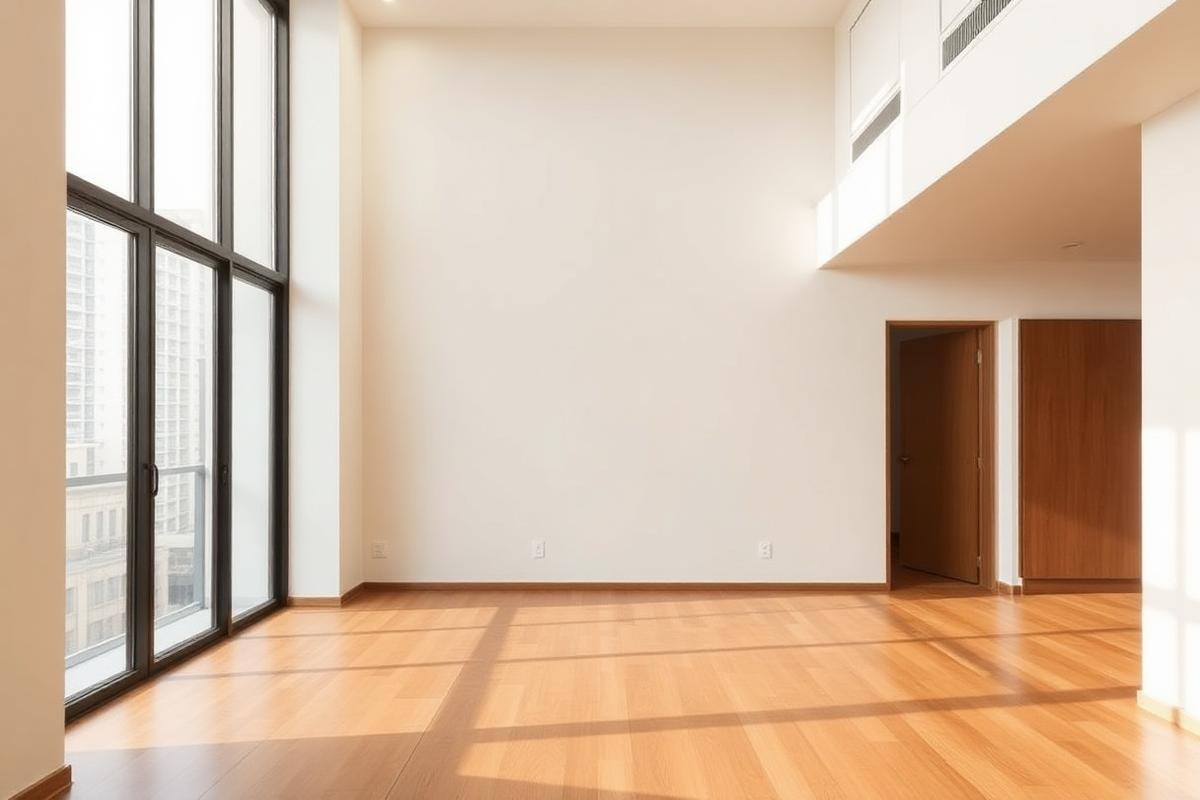
Stay, downsize or rightsize?
Three legitimate outcomes. Waiting, or concluding that no move is needed, counts as a decision reached rather than a decision avoided.
- Stay
- Remain in the existing property, possibly with adaptations. Not transacting is a legitimate conclusion, and often the right one.
- Downsize
- Move to a smaller, more manageable home, accepting a genuine reduction in space for lower upkeep and released capital.
- Rightsize
- Move to a differently configured property that may not be substantially smaller, but fits the next phase far better.
Questions to ask before downsizing
A thinking tool for a household conversation, not a form to complete. If the first question has no clear answer yet, the rest can wait.
- 01What problem are we trying to solve?
- 02Which parts of our current home do we genuinely use?
- 03What space or lifestyle feature would be difficult to give up?
- 04How might our mobility and household needs change?
- 05Where do we want to be relative to family and essential services?
- 06How much capital would the move release after all costs?
- 07What will that released capital be expected to accomplish?
- 08Can the replacement home accommodate visiting family, caregiving or working from home?
- 09Would renting temporarily create useful flexibility?
- 10What happens if we decide not to move?
Related reading: our research on rightsizing and retirement and selected property stories.
Common questions about downsizing and rightsizing
- Is downsizing always financially beneficial?
- Not automatically. It depends on the replacement property, transaction costs, CPF considerations, renovation expenses and what the released capital is expected to achieve.
- Should I sell my landed property and move to a condominium?
- The decision depends on lifestyle, maintenance, accessibility, space, privacy, location, capital needs and whether the proposed condominium improves the household's overall fit.
- What is the difference between downsizing and rightsizing?
- Downsizing focuses primarily on reducing property size. Rightsizing asks what home and capital structure best support the next phase of life.
- When should homeowners start planning to downsize?
- Planning can begin before moving becomes urgent. That gives a household time to compare options, declutter, understand the financial consequences and avoid deciding under pressure.
- Can rightsizing mean moving to a property that is not smaller?
- Yes. A better configuration, fewer stairs, improved accessibility, a more suitable location or reduced maintenance may matter more than floor area alone.
Educational, not financial advice
Conversations about rightsizing inevitably touch retirement and household capital. We keep that discussion educational: arithmetic, timing and trade-offs, illustrated clearly.
StraxPropSG does not provide regulated financial advice and does not recommend financial products. Where a decision needs that, we work alongside your own advisor. Please read our full disclaimer.
Considering your next chapter?
If you are weighing whether to stay, downsize or move differently, start with the decision you are trying to make. Everyday buying, selling and renting enquiries are equally welcome.